
Advanced Safety & Auto-Reversal Systems for Linear Move Irrigators
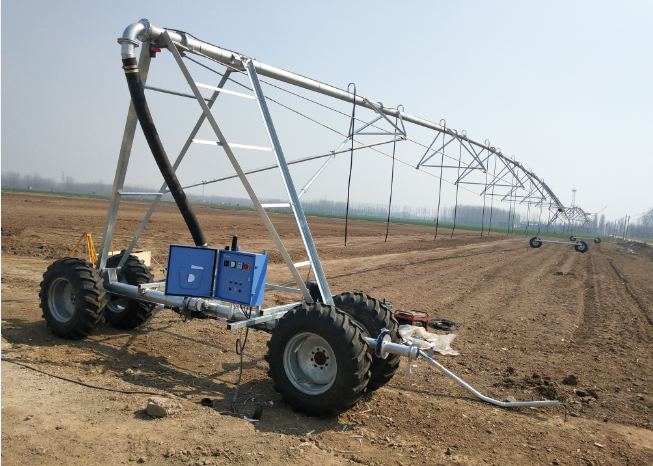
Operating a large-scale linear move irrigation system involves managing heavy steel spans traversing rectangular fields over hundreds of meters. Because these machines run automatically for long periods, protecting structural components from physical obstacles, boundary overruns, and misalignment is critical to maintaining high agricultural uptime. Without intelligent safety features, an undetected obstacle or boundary overrun can […]
Unlocking Hilly Farmland: Boost Crop Yields & ROI with Sloped Linear Move Systems
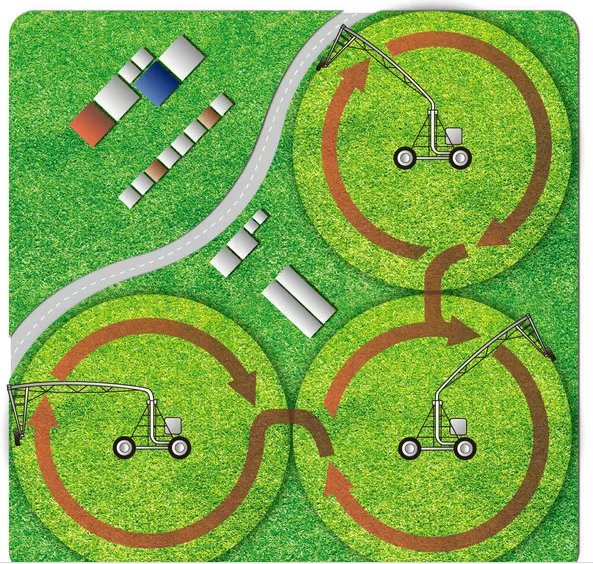
In regions where flat arable land is scarce or increasingly expensive, agricultural developers and commercial farmers are turning their attention to rolling hills, sloping valleys, and undulating tablelands. Bringing underutilized sloping land into active agricultural production offers immense revenue potential—provided the right irrigation technology is deployed. While traditional circular center pivots are poorly suited for […]
Irrigating Undulating Topographies: Pressure Regulation for Linear Move Systems
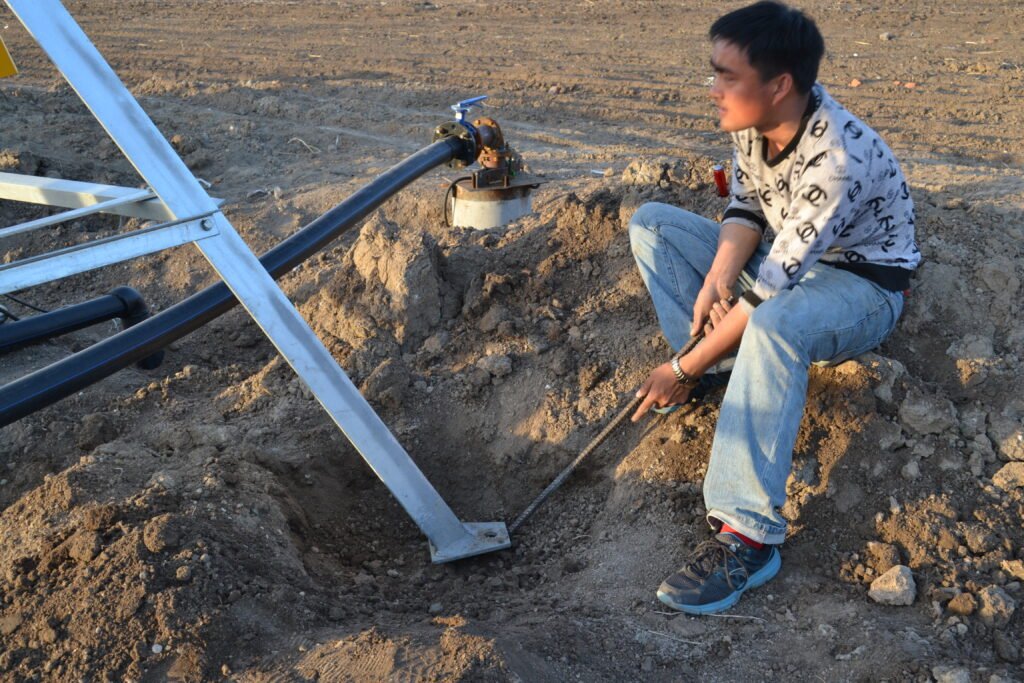
When designing an irrigation system for flat land, maintaining uniform water distribution is relatively straightforward. However, when a linear move irrigation system travels across rolling hills and undulating topography, gravity and elevation changes introduce significant hydraulic challenges. As a machine moves uphill, static head loss reduces nozzle discharge pressure; as it travels downhill, pressure spikes. […]
Mastering Sloped Fields: How Linear Move Irrigators Overcome Hilly Terrains

Operating continuous, heavy steel span structures across flat agricultural fields is straightforward. However, as modern commercial farming expands into rolling hills, terraced valleys, and undulating land, machinery must be specifically engineered to handle complex topographies. While center pivots struggle to navigate changing elevations or leave significant dry corners on sloped plots, advanced linear move irrigation […]
Maximizing Crop Yields with Fertigation on Linear Move Irrigation Systems
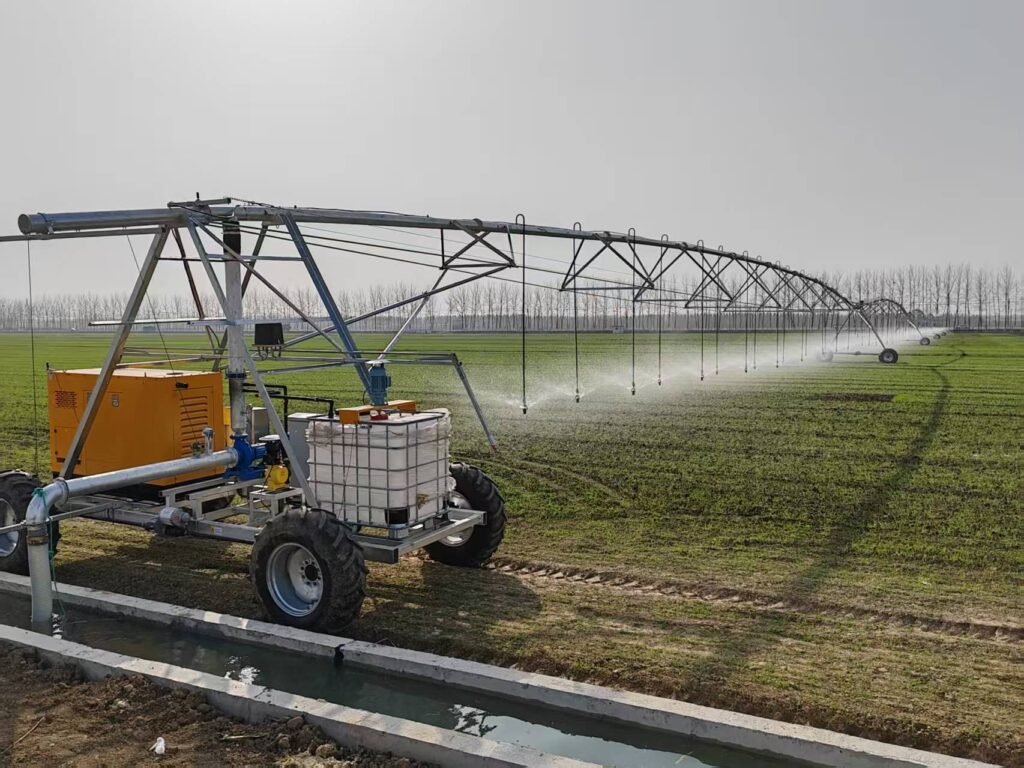
In modern commercial agriculture, efficient nutrient management is just as critical as water management. Traditional fertilizer application methods—such as broadcasting granular fertilizers or mechanical side-dressing—often result in uneven nutrient distribution, high labor costs, and severe environmental leaching caused by rainfall runoff. Linear move irrigation systems provide the ultimate platform for precision fertigation (the injection of […]
GPS & RTK Guidance Systems for Linear Move Irrigators: Precision Without Physical Cables
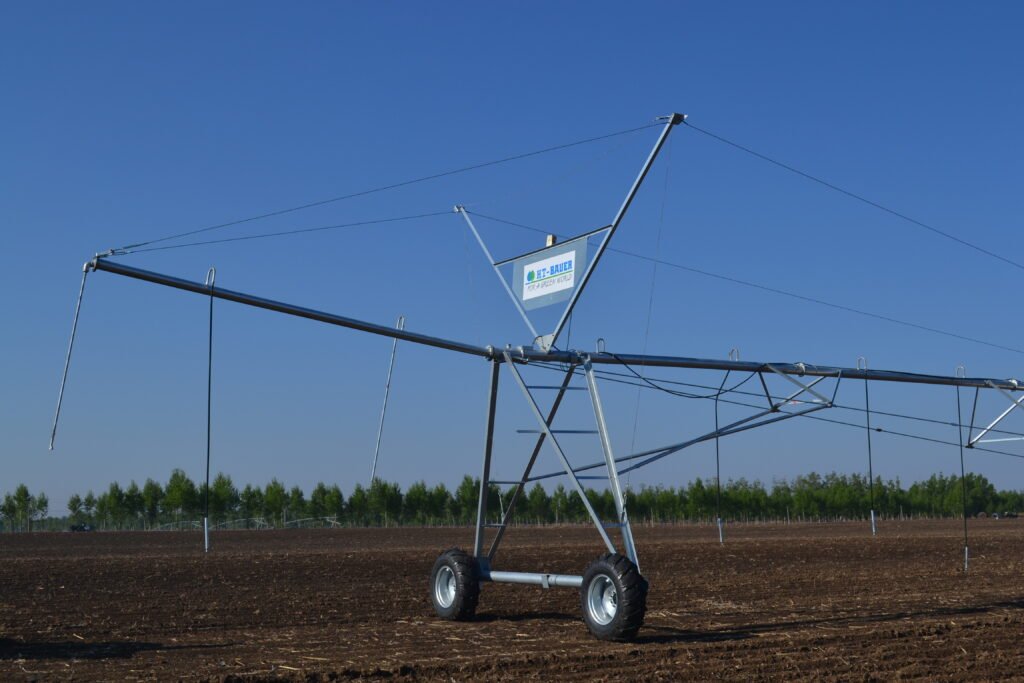
Maintaining a perfectly straight-line trajectory across hundreds of meters of heavy steel pipe spans is one of the most critical engineering challenges for linear move irrigation systems. If a single tower drifts out of alignment, it creates structural stress, twists pipe joints, triggers safety shutdowns, and causes uneven water application. Historically, linear systems relied on […]
Hose Feed vs. Ditch Feed Linear Irrigation Systems: Which Water Supply is Right for Your Farm?
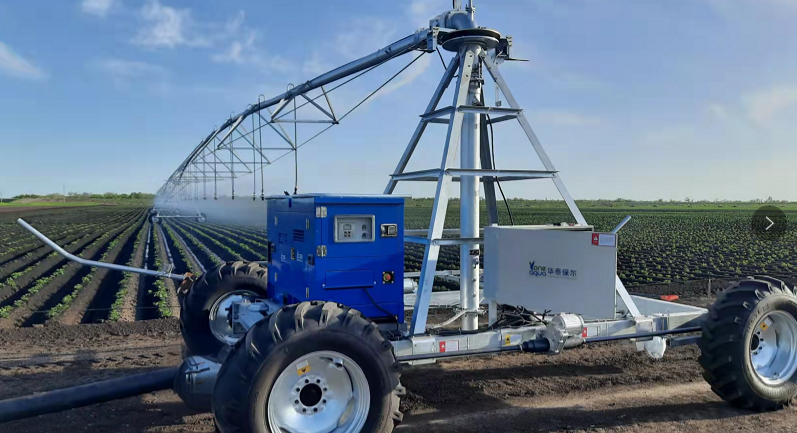
When designing a large-scale mechanized irrigation project for rectangular or square agricultural fields, selecting the right linear move irrigation system is only half the decision. Farm managers and agricultural engineers must also determine how the system will receive a continuous, uninterrupted supply of water as it travels back and forth across hundreds of meters of […]
Managing Poor Water Quality: Filtration & Anti-Clogging Solutions for Hose Reel Systems
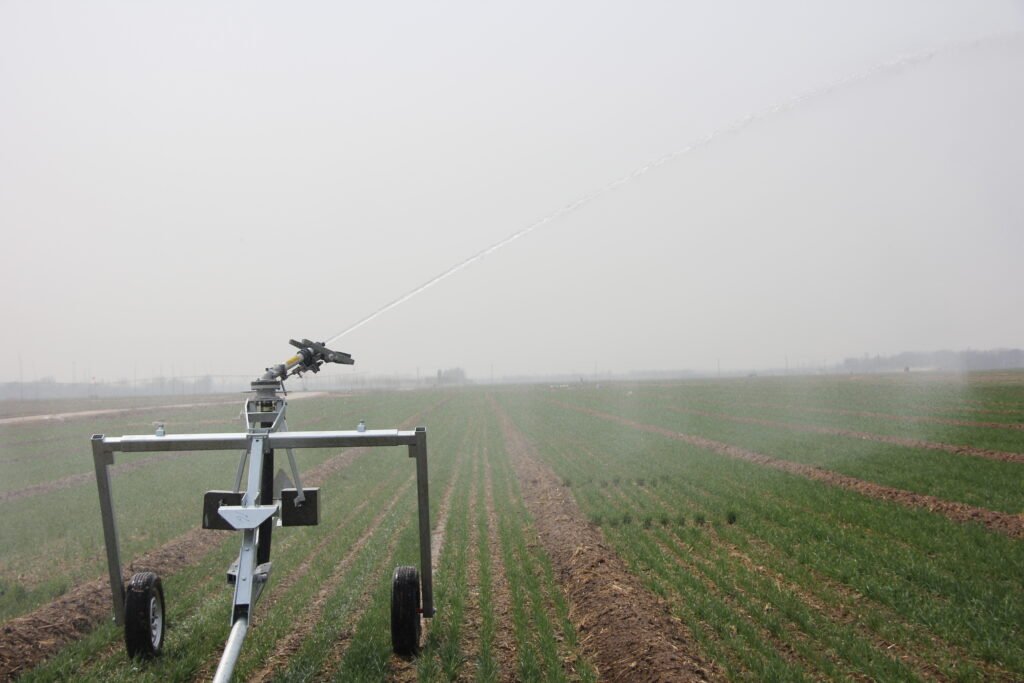
Irrigation water is not always crystal clear. Many commercial farms draw water from open canals, rivers, agricultural drainage ditches, or farm ponds. While these sources provide abundant water volume, they also carry suspended silt, organic algae, aquatic weeds, sand particles, and fine debris. When pumping unfiltered water through a hose reel irrigator, debris can cause […]
Winterizing Your Hose Reel Irrigator: Essential Storage & Maintenance Practices
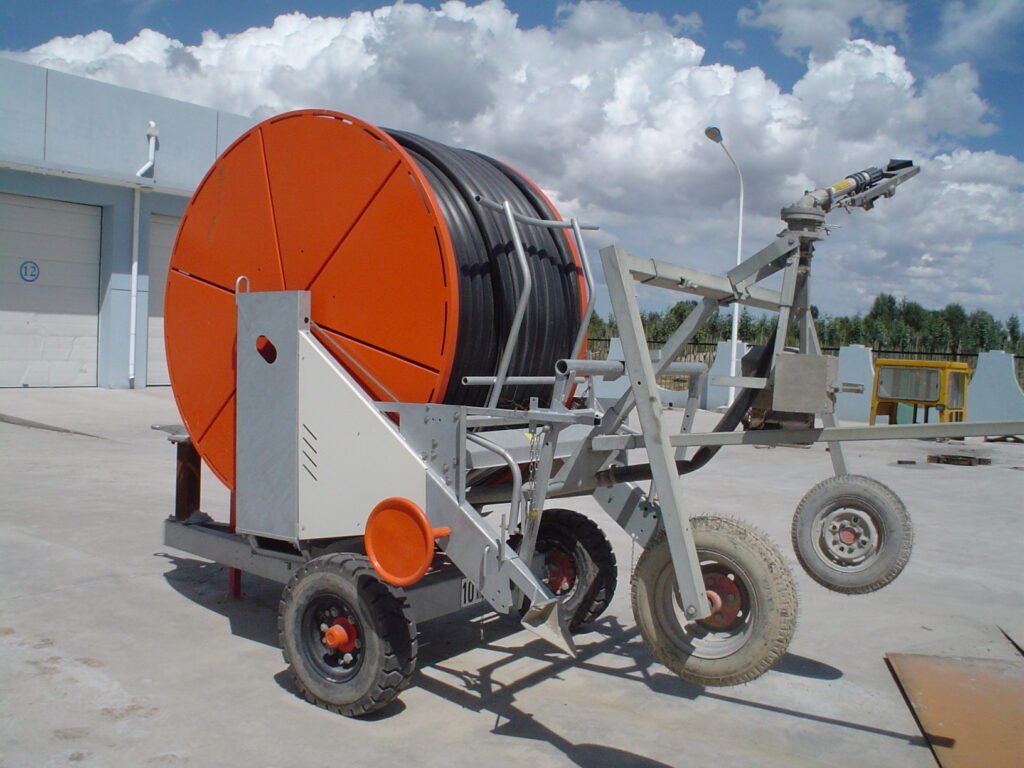
At the end of the agricultural growing season, proper equipment maintenance dictates whether your machinery will start reliably next spring or suffer costly frost damage. For mobile hose reel irrigators, winterization is one of the most critical preventative maintenance protocols a farm manager can execute. Water trapped inside turbines, pumps, valves, and polyethylene pipes expands […]
Built to Last: The Importance of Hot-Dip Galvanization and High-Density PE Pipes in Hose Reel Irrigators
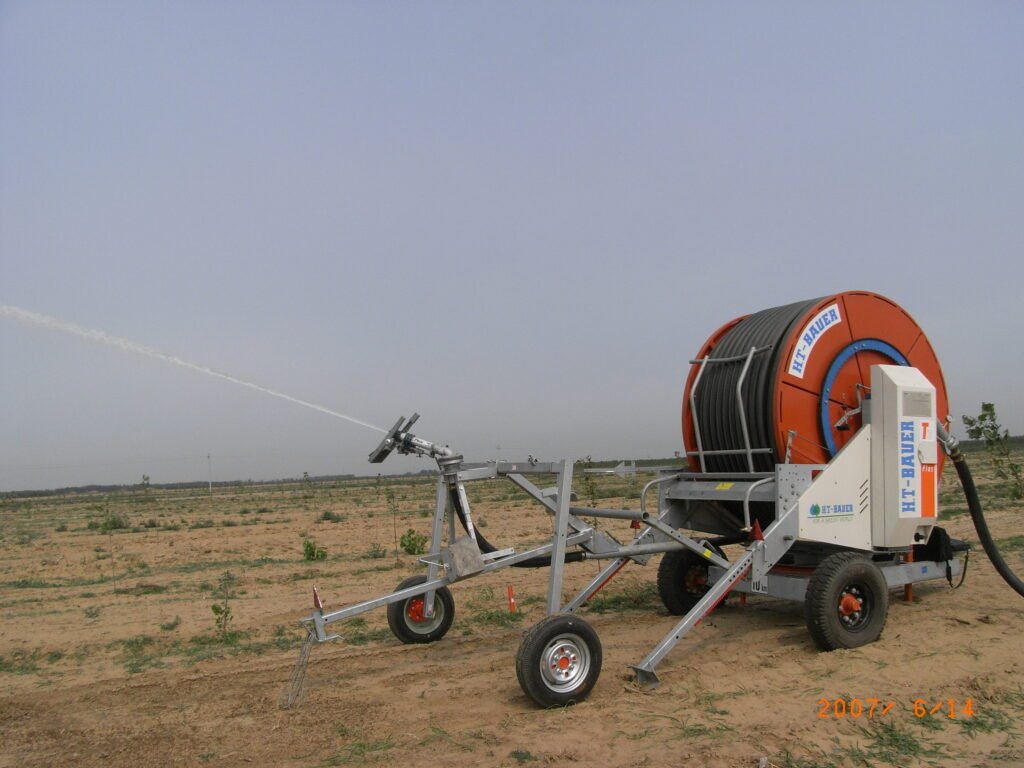
Agricultural machinery operates in some of the most aggressive environments on Earth. Constantly exposed to intense ultraviolet radiation, high humidity, moisture, soil abrasion, and corrosive agricultural chemicals (such as liquid fertilizers and crop protection agents), irrigation equipment faces relentless degradation pressures. When investing in a mobile hose reel irrigator, structural durability is a critical purchasing […]