
Cotton
Precision Water Management for High-Yield, High-Quality Cotton
Cotton is a unique crop where “more water” isn’t always “better water.” Successful cotton production requires a strategic balance: providing enough moisture for robust plant structure while utilizing “managed stress” to trigger reproductive growth and boll development. H.T-BAUER’s irrigation technology gives growers the precision tools needed to manage these delicate cycles, ensuring maximum lint yield and superior fiber quality.
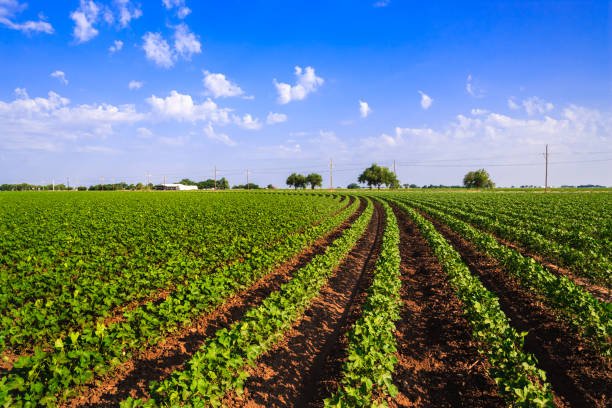
Strategic Stress for Boll Set
Too much water during the early square (bud) stage can lead to excessive vegetative growth (tall, leafy plants with few bolls). H.T-BAUER’s Remote Control System allows you to implement regulated deficit irrigation, slowing plant growth just enough to encourage the cotton to shift its energy into flowering and boll retention.
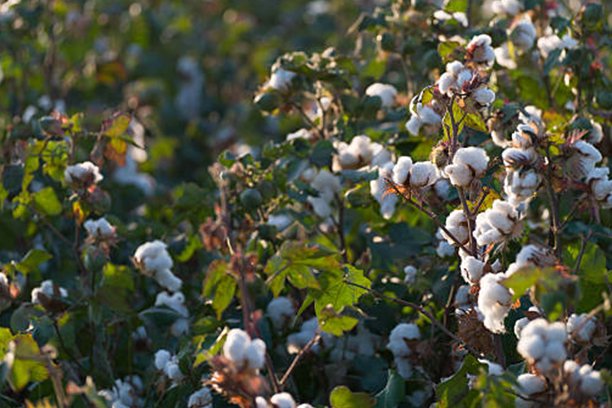
Prevention of Boll Shedding during Peak Bloom
The most critical water-demand period is from first bloom to peak boll development. Moisture stress during this window causes the plant to “shed” its bolls to survive. Our systems provide high-uniformity coverage to ensure the soil profile remains stable, protecting your fruit load and ensuring a high boll count per plant.
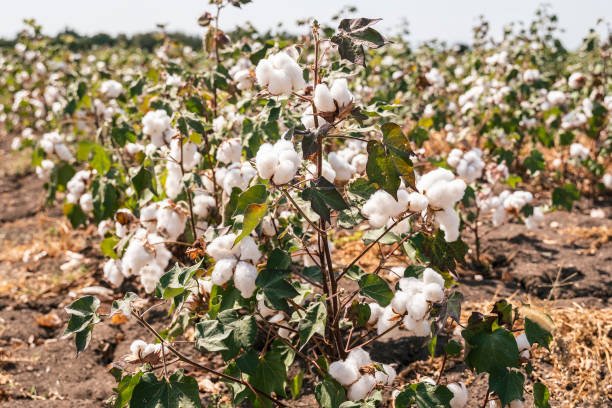
Fiber Quality & Micronaire Optimization
Water availability during the boll-filling stage directly impacts fiber length and strength. Inconsistent watering leads to poor “micronaire” (fiber fineness). By using our Soil Monitoring sensors, you can maintain the exact moisture tension required for optimal cellulose deposition, resulting in premium-grade fiber that commands higher market prices.
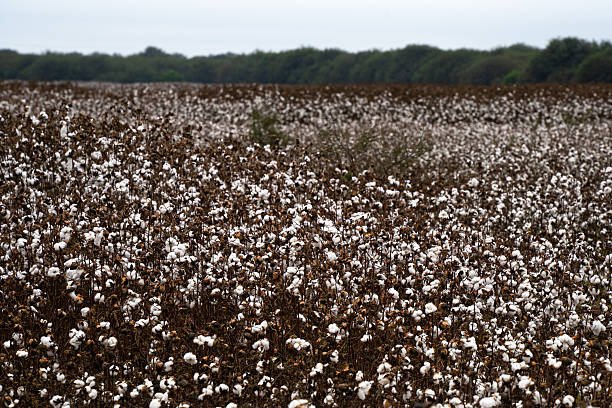
Efficient Defoliation & Harvest Prep
As the season ends, irrigation must be tapered off to allow the bolls to open and the plant to dry for harvest. Our automated scheduling ensures a clean “cut-off” date, assisting in natural defoliation and preventing “regrowth” that can stain the lint during mechanical harvesting.
Related guide
Why Is Ph Important in Agriculture Irrigation
Outlining the significance of soil pH in agriculture irrigation reveals its hidden impacts on nutrient availability and crop health, leaving...
Why Is Irrigation Needed for Agricultural Development
Bountiful harvests rely on effective irrigation, which is crucial for overcoming climate challenges and ensuring sustainable agricultural growth. Discover how...
Why Is Irrigation Necessary in Agriculture
Powerful irrigation ensures crop health in unpredictable climates, but what innovative methods might transform agriculture amid increasing water scarcity? Discover...
Do you want to achieve better boll retention and premium fiber quality this season?
Don’t leave your cotton quality to chance. Contact H.T-BAUER today to design a precision irrigation and fertigation plan tailored to your climate and soil type.