
Linear move irrigation systems operate continuously across demanding agricultural environments, exposed to water, dust, soil friction, and fluctuating weather conditions. A mechanical failure during critical crop growth cycles can result in crop stress, uneven watering, and significant financial loss.
Adhering to a structured preventative maintenance schedule and implementing systematic troubleshooting protocols ensures peak equipment availability, protects structural components, and extends machine service life.
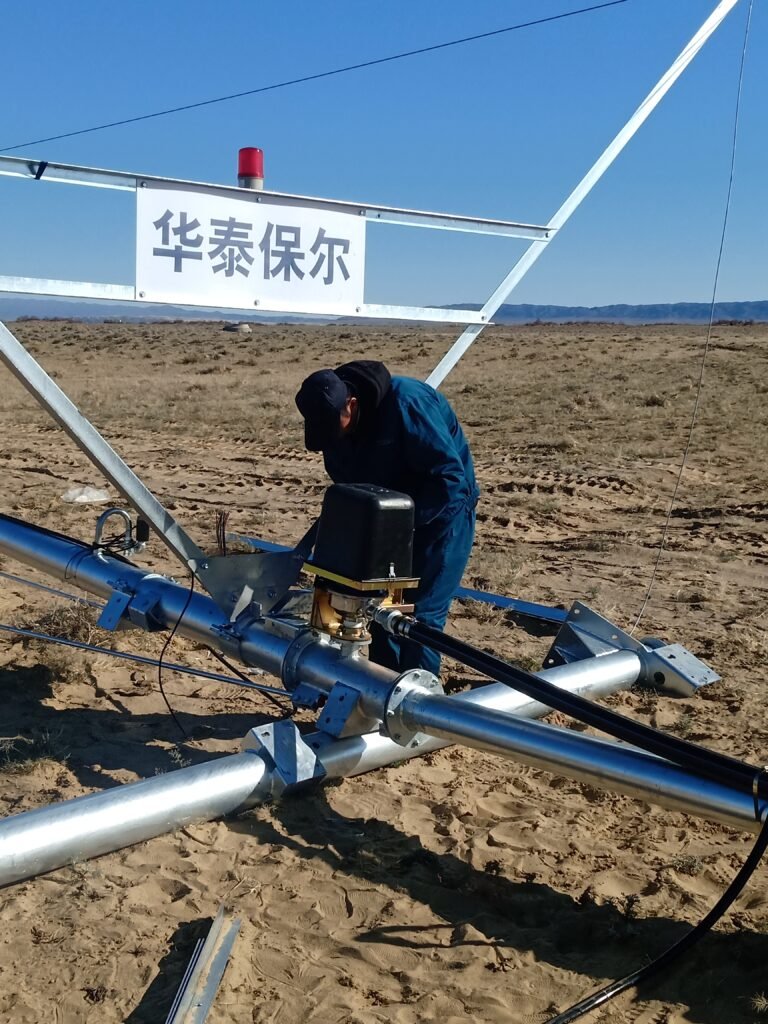
1. Routine Operational Maintenance Checklist
Conducting regular inspections before, during, and after the irrigation season reduces component wear and prevents unscheduled downtime.
Pre-Season Structural & Drive Inspection
- Structural Spans & Trusses: Check all truss rods, span joints, alignment couplings, and tower leg fasteners for tightness, structural fatigue, or corrosion.
- Gearboxes & Drive Motors: Inspect oil levels in all tower wheel gearboxes and drive gearmotors. Drain and replace gear oil according to factory service intervals.
- Tire Maintenance: Check tire pressure on all drive towers and the main power cart. Ensure lug nuts are torqued to specification and check tread wear patterns.
Water Delivery & Hydraulic Checks
- Nozzle & Regulator Assembly: Inspect drop tubes, pressure regulators, and spray nozzles for mineral scaling, sand buildup, or physical damage.
- Filters & Strainers: Clean all inline water filters, pump suction strainers, and main cart sand traps to maintain proper hydraulic flow.
- Inlet Hoses & Seals: Inspect the heavy-duty drag hose for external abrasion, end-coupling tightness, and gasket integrity.
Guidance & Electrical Systems
- Alignment Switches: Test safety micro-switches, steering linkages, and alignment control arms at each tower span.
- Guidance Sensors: Inspect below-ground antenna sensors, physical guidance wheels, or GPS receivers for proper signal calibration and alignment.
- Control Panel & Safety Circuits: Verify main panel disconnects, ground fault protection, and automated auto-reverse / safety shut-off functions.
2. Common Operational Issues & Step-by-Step Troubleshooting
When operational faults occur in the field, use these diagnostic workflows to restore system performance.
Issue 1: Machine Misalignment or Automatic Safety Shut-Off
- Potential Cause A: Mechanical binding or tire slippage at a specific drive tower due to deep wheel ruts or muddy field conditions.
- Solution: Fill wheel ruts, inspect tire tread traction, or adjust tower alignment micro-switches.
- Potential Cause B: Faulty alignment switch or loose control arm linkage between spans.
- Solution: Check micro-switch continuity with a multimeter, re-align the mechanical trigger arm, and replace damaged switches.
- Potential Cause C: Guidance signal drift or physical guidance wheel obstruction.
- Solution: Recalibrate GPS guidance systems, clear obstructions from guidance furrows, or inspect steering sensor wiring.
Issue 2: Drag Hose Twisting or Cart Tracking Errors
- Potential Cause A: Drag hose arm tension or anchor coupling misaligned with the travel path.
- Solution: Adjust cart pull-arm angles and ensure the drag hose aligns straight with hydrant connections.
- Potential Cause B: Main power cart speed out of synchronization with individual drive tower speeds.
- Solution: Check main panel speed controller settings and verify variable frequency drive (VFD) parameters.
Issue 3: Pressure Drops or Uneven Application Uniformity
- Potential Cause A: Clogged inline filter screen or suction inlet.
- Solution: Shut down water pressure, flush filter strainers, and clean suction screens.
- Potential Cause B: Worn or failed pressure regulators along specific span sections.
- Solution: Test pressure output along drop tubes and replace failing regulators or damaged spray tips.
3. Winterization & Off-Season Storage Protocols
Proper seasonal storage protects electrical controls, gearboxes, and structural steel from winter freeze damage and environmental degradation.
- Drain All Water Lines: Open all tower drain valves, low-point pipeline drains, pump casings, and filter housings to purge trapped water completely.
- Park in a Safe Position: Park the linear unit parallel to prevailing winter winds, away from field trees or power lines, on firm, well-drained ground.
- Protect Electrical & Power Units: Seal control panel enclosures against rodent nesting and moisture. Cover onboard generator sets and disconnect battery terminals.
- Lubricate Exposed Steel: Apply protective grease to exposed hydraulic cylinder shafts, steering pivots, and cable winch assemblies.
Reliable Operations with Genuine HT Bauer Parts & Support
Proper maintenance combined with heavy-duty structural design ensures your linear move irrigation system performs reliably year after year. HT Bauer provides global technical support, comprehensive maintenance manuals, and factory-direct replacement parts to support your farm operations.
For technical assistance, service manuals, or replacement part orders, contact our engineering support team:
- Website: HT Bauer Official Site
- Email: sunlei@htbauer.com
- Technical Support: Request factory service manuals or genuine spare parts catalogs.