
Oats
Precision Water Management for Dual-Purpose Oat Production
Whether you are managing intensive grazing lands for dairy and beefOats are a resilient yet responsive crop, highly valued for their role in animal feed and as a heart-healthy grain for human consumption. To achieve a high “bushel weight” and ensure the lush, leafy growth required for premium oat hay, water timing is everything. H.T-BAUER provides advanced irrigation technology that adapts to the specific needs of your oat crop, whether you are aiming for maximum biomass or high-quality grain kernels. or producing high-quality hay for export, grass is a crop that thrives on consistency. Unlike many seasonal grains, grass requires sustained hydration throughout its multiple growing cycles to maintain its nutritional value and “stay-green” ability. H.T-BAUER provides heavy-duty irrigation solutions designed to cover vast acreages, ensuring your pastures remain productive even during the peak of the dry season.
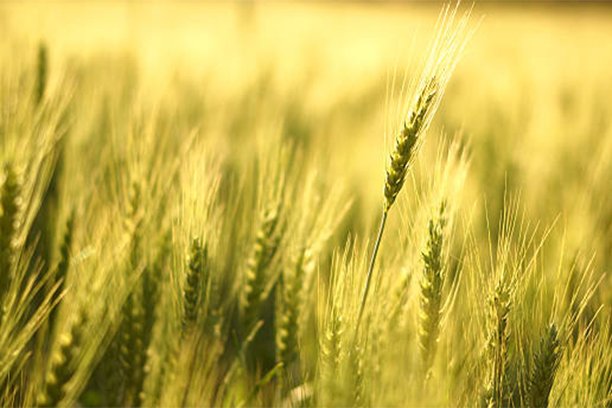
Boosting Biomass for Quality Hay
If your primary goal is oat hay, irrigation must support rapid vegetative growth. H.T-BAUER systems provide the consistent moisture needed during the early growth stages to maximize leaf area and stem thickness, resulting in a higher tonnage of palatable, nutrient-rich forage.
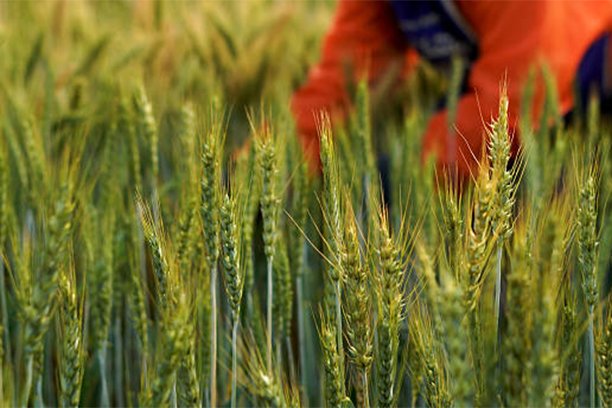
Critical Moisture During Tillering and Heading
The number of grains per head is determined during the tillering and boot stages. Drought stress during these windows leads to “blind” florets and reduced yields. Our automated scheduling ensures your oats have the water they need to maximize their reproductive potential, ensuring full, heavy heads across the entire field.
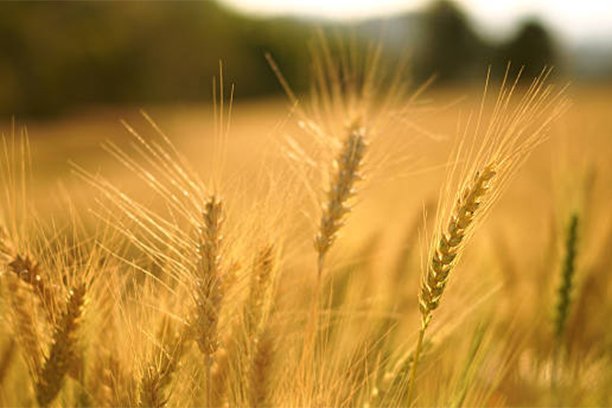
Managing Grain-Fill and Preventing Heat Stress
Oats are cool-season crops that are particularly sensitive to heat during the grain-filling stage. Our irrigation solutions can be used to regulate the canopy micro-climate, cooling the plants during unexpected heatwaves and ensuring that the kernels fill completely rather than shriveling.
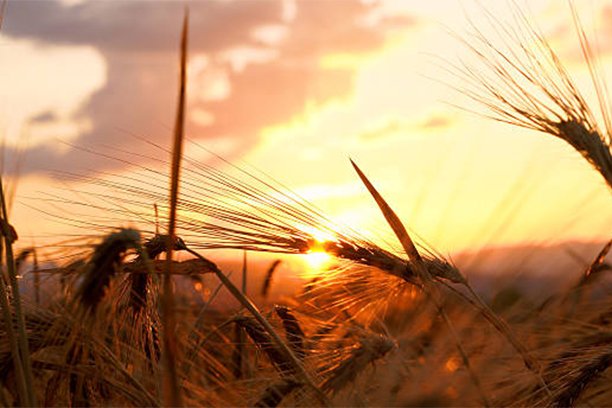
Soil Stability and Lodging Prevention
Oats can be prone to lodging (falling over) if the soil is waterlogged or if plants become top-heavy from improper watering. H.T-BAUER’s precision nozzle technology ensures deep, even infiltration that strengthens root anchoring without over-saturating the surface, keeping your crop standing tall until harvest.
Related guide
Why Is Ph Important in Agriculture Irrigation
Outlining the significance of soil pH in agriculture irrigation reveals its hidden impacts on nutrient availability and crop health, leaving...
Why Is Irrigation Needed for Agricultural Development
Bountiful harvests rely on effective irrigation, which is crucial for overcoming climate challenges and ensuring sustainable agricultural growth. Discover how...
Why Is Irrigation Necessary in Agriculture
Powerful irrigation ensures crop health in unpredictable climates, but what innovative methods might transform agriculture amid increasing water scarcity? Discover...
Ready to maximize the nutritional value and yield of your oat crop?
From superior forage to premium grain, H.T-BAUER has the expertise to help you succeed. Contact us today to design an irrigation solution tailored to your farm’s specific goals.