
High-value vegetable production—including potatoes, onions, carrots, leafy greens, and brassicas—demands far greater irrigation precision than standard field crops. In vegetable farming, yield volume is only half the equation; marketability, cosmetic appearance, size uniformity, and storage stability dictate overall profitability.
Improper water application, such as excessive droplet impact or uneven soil moisture, can cause soil crusting, root rot, misshapen tubers, or foliar diseases. This article explores precision overhead irrigation techniques designed to protect soil structure, preserve seedling health, and maximize vegetable quality.
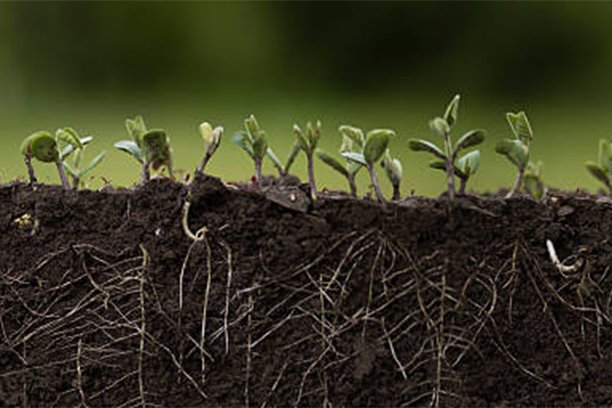
1. Challenges in Vegetable Irrigation: Soil Compaction & Seedling Damage
Vegetable crops are highly sensitive to soil physical properties and ambient micro-climates. Key risks associated with traditional or improperly managed watering include:
- Soil Crusting & Erosion: Heavy water droplets from high-pressure spray guns can break down delicate soil aggregates, creating a hard surface crust that impedes young seedling emergence and reduces water infiltration.
- Root Suffocation & Rot: Poor application control leads to standing water and anaerobic root conditions, fostering fungal pathogens like Pythium and Phytophthora.
- Size Inconsistency: Fluctuations in soil moisture profiles during bulb or tuber development cause irregular sizing, cracking, or hollow heart in potatoes and root vegetables.
2. Low-Pressure Sprinkler Booms: Gentle Micro-Sprinkling
To overcome the challenges of droplet impact, modern growers utilize foldable sprinkler booms (truss booms) attached to mobile hose reel irrigators or linear move machines.
- Fine Droplet Dispersion: Outfitted with fine-spray nozzles or micro-rotators, booms produce a gentle, rain-like mist that saturates the soil without compacting planting beds or washing away delicate seedlings.
- Low Energy Requirements: Operates efficiently at reduced system pressures (2.0 to 3.0 bar), significantly cutting fuel and pumping costs.
- Wind Resistance & Reduced Drift: Operating close to the crop canopy minimizes water drift loss under windy conditions, ensuring high application uniformity across dense vegetable rows.
3. Uniformity & Chemigation in Root & Leaf Crops
Potato & Root Crop Sizing
For potatoes, carrots, and onions, maintaining steady soil moisture in the top 30–45 cm of the root zone during tuber initiation and bulb expansion directly controls final product grading. Automated overhead systems ensure every row receives equal application depths, leading to uniform tuber pack-outs.
Foliar Protection & Chemigation
Precise overhead application enables uniform chemigation for crop protection. Fungicides and foliage treatments can be applied evenly across the entire canopy width, reducing pest pressure while minimizing active ingredient waste.
4. Water Filtration & System Maintenance
Because precision spray nozzles on vegetable booms utilize smaller orifice sizes, maintaining water quality is essential. Installing primary disk filters, media filters, or automated backwash strainers at the pump station prevents nozzle clogging and guarantees consistent spray patterns throughout the growing cycle.
Boost Your Vegetable Quality with HT Bauer Precision Systems
HT Bauer designs and manufactures specialized low-pressure sprinkler booms, mobile hose reel irrigators, and automated linear move systems engineered to protect high-value vegetable crops. Our technical team works closely with commercial growers to deliver tailored spray patterns, flow rates, and field configurations.
Contact our crop specialists today to optimize your vegetable farm’s irrigation setup.
- Official Website: HT Bauer Irrigation Systems
- Sales Email: sunlei@htbauer.com | sunlei.htbauer@gmail.com
- Consultation: Request a custom field assessment and boom system proposal.